
Full Mouth Restoration Cost in Vietnam
Medical disclaimer: ZensiaCare is a medical concierge and care coordination service. We do not diagnose, treat, prescribe or promise medical outcomes. All medical decisions are made by licensed healthcare professionals and healthcare facilities.
Full Mouth Restoration Cost in Vietnam
| Full Mouth Treatment | Vietnam (VND) | Approx. USD | Approx. AUD |
|---|---|---|---|
| Basic / Limited Full-Mouth Restoration | ₫180–250 million | US$7,000–9,600 | A$10,700–14,700 |
| Moderate Full-Mouth Restoration | ₫250–350 million | US$9,600–13,500 | A$14,700–20,600 |
| Complex Full-Mouth Restoration | ₫350–500 million | US$13,500–19,200 | A$20,600–29,400 |
| Premium Full-Mouth Rehabilitation | ₫500–650 million | US$19,200–25,000 | A$29,400–38,200 |
| Highly Complex Cases | ₫650 million+ | US$25,000+ | A$38,200+ |
These are approximate reference ranges based on publicly available 2026 dental price information in Vietnam. Actual costs vary depending on the patient’s condition, treatment plan, dental provider, materials and additional procedures.
Read More: All-on-4 and all-on-6 cost in Vietnam
Why Do Full Mouth Restoration Prices Vary in Vietnam?
1. Number of Teeth and Implants
A patient requiring 12 crowns has a very different treatment plan from someone needing multiple extractions and 6–8 implants. The number of teeth, implants and arches being treated can significantly affect the final price.
2. Implant Brand
Vietnam offers different implant systems, from more affordable Korean systems to premium international brands such as Straumann and Nobel Biocare. Premium implant systems generally increase the overall treatment cost.
3. Restoration Material
Full-mouth restorations may use acrylic, zirconia, premium zirconia, E.max or other ceramic materials. Each material has different characteristics, laboratory requirements, aesthetics and manufacturing costs.
4. Bone Grafting or Sinus Lift
Patients with significant bone loss may require bone grafting or sinus lift procedures before or during implant treatment. These additional surgical procedures can substantially increase the total cost.
5. Dental Laboratory
The laboratory responsible for producing crowns, bridges and implant-supported restorations can also affect the price. Digital technology, materials, technicians and quality-control processes all contribute to the final laboratory cost.
6. Dentist and Specialist Team
Complex full-mouth cases may require both surgical and restorative expertise. The experience of the dental team and the complexity of coordinating multiple specialists can therefore influence the professional fees.
7. Digital Treatment Planning
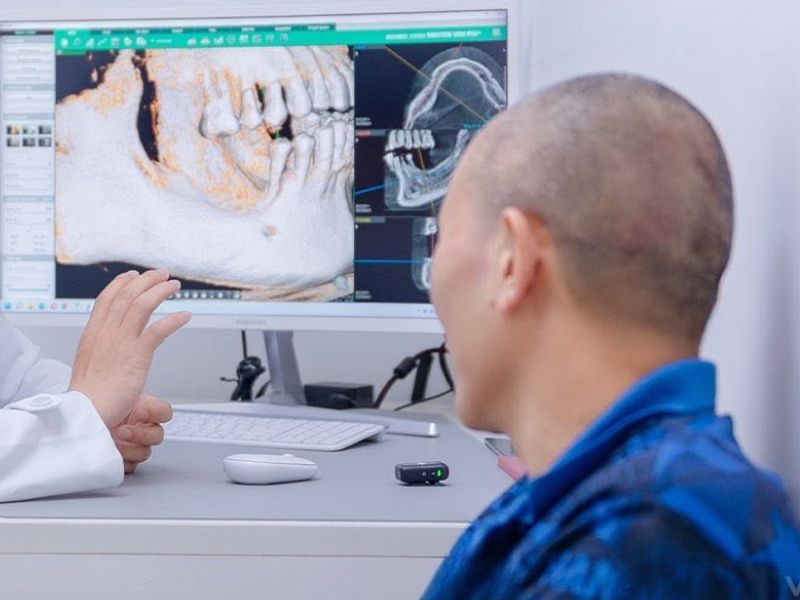
CBCT, intraoral scanning, CAD/CAM, digital smile design and guided implant planning can improve treatment planning and communication with the laboratory. However, more advanced digital workflows may also increase the overall treatment cost.
Who May Need Full Mouth Restoration?
Multiple Missing Teeth
Patients who have lost several teeth may experience difficulty chewing, speaking, or feeling confident about their smile. Depending on the condition of the jawbone and remaining teeth, treatment may involve dental implants, bridges, implant-supported crowns, or full-arch restorations.
Severely Damaged or Decayed Teeth
Extensive tooth decay, fractures, or severe structural damage may make individual teeth difficult to restore. Depending on the condition of each tooth, treatment may combine crowns, root canal treatment, extractions, and dental implants as part of a comprehensive plan.
Severe Tooth Wear
Severe tooth wear can result from long-term grinding, dental erosion, aging, or other factors. When multiple teeth are significantly worn, treatment may be needed to restore not only the appearance of the smile but also tooth height, chewing function, and bite.
Multiple Failed Dental Restorations
Patients with failing crowns, bridges, veneers, or previous dental work may require a comprehensive reassessment before starting new treatment. Simply replacing old restorations may not address underlying problems such as bite issues, weakened teeth, gum disease, or bone loss.
Multiple Dental Problems at the Same Time
Some patients experience several dental problems simultaneously, such as missing teeth, decay, gum disease, bone loss, worn teeth, and old restorations. In these situations, a coordinated full-mouth treatment plan may be more appropriate than treating each problem separately.
Extensive Cosmetic and Functional Concerns
Some patients consider full mouth restoration because they want to improve both the appearance and function of their teeth. Depending on the clinical condition, treatment may combine restorative and cosmetic procedures such as crowns, veneers, bridges, and dental implants.
Read More: Porcelain Veneer Vietnam Price
Benefits of Full Mouth Restoration
Restore Chewing Function
Missing, broken, or severely worn teeth can make it difficult to chew certain foods comfortably. Restoring damaged teeth and replacing missing teeth can help improve chewing efficiency and provide a more functional dental foundation.
Improve Smile Appearance
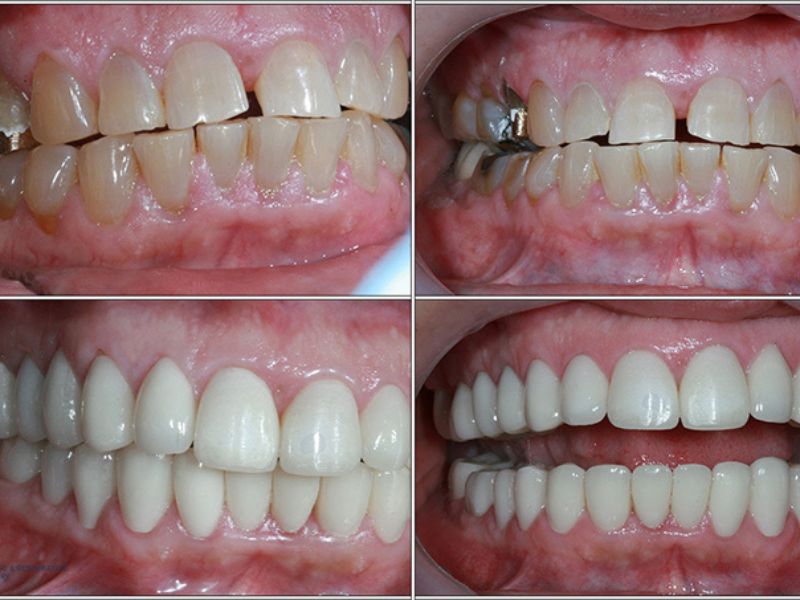
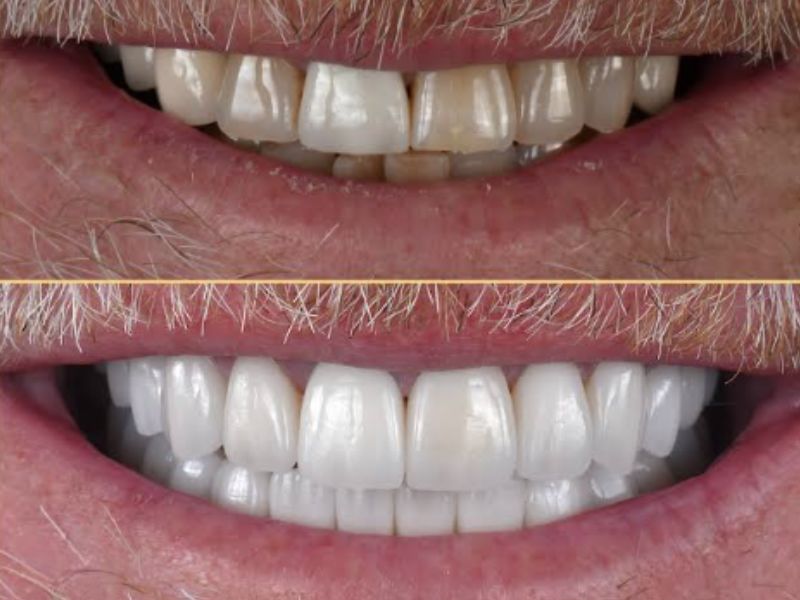
Full-mouth restoration can address multiple aesthetic concerns at the same time, including tooth shape, color, proportions, and missing teeth. Depending on the case, crowns, veneers, bridges, and implant restorations may be combined to create a more balanced and natural-looking smile.
Restore Bite and Overall Dental Function
When multiple teeth are damaged or worn, restoring individual teeth without considering the overall bite may not provide the best result. A full-mouth treatment plan considers the relationship between the upper and lower teeth to coordinate the restorations and support more stable dental function.
Replace Multiple Missing Teeth
Dental implants can replace missing tooth roots and support individual crowns, bridges, or full-arch restorations. For suitable patients, implant-supported teeth can provide a fixed alternative to removable dentures and help restore both chewing function and smile appearance.
Address Multiple Problems in One Treatment Plan
One of the main advantages of full-mouth restoration is the ability to coordinate different dental procedures within a single treatment strategy. Instead of treating every tooth independently, the dental team can consider extractions, implants, crowns, veneers, gum treatment, and other procedures as parts of the overall treatment plan.
What Are the Risks of Full Mouth Restoration?
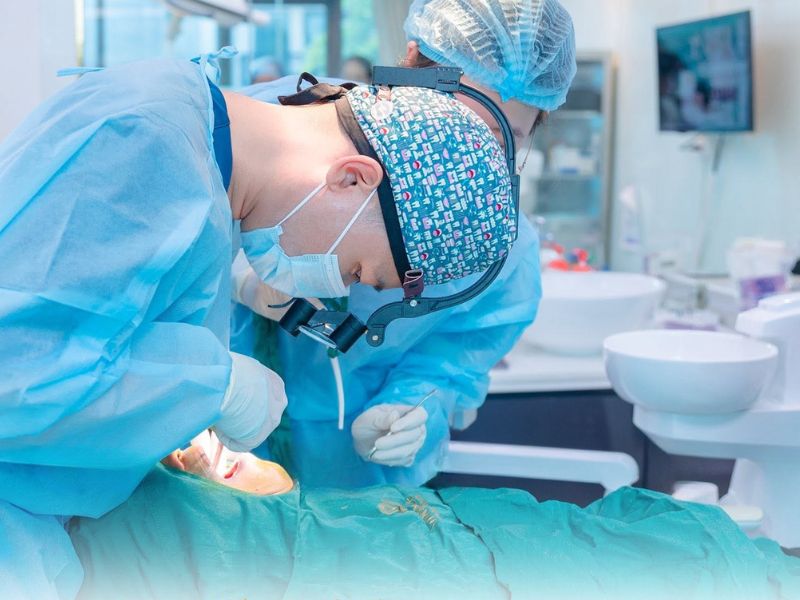
Full mouth restoration is a complex treatment and is not completely risk-free. Potential risks include pain, swelling, infection, gum inflammation, implant failure, bone loss, sensitivity, restoration fracture, ceramic damage and bite discomfort.
Additional procedures such as bone grafting and sinus lifting may also have their own risks. The level of risk depends on the patient’s oral health, bone condition, treatment complexity and long-term maintenance.
This is why patients should consider clinical quality, treatment planning and transparency rather than choosing a provider based on price alone.
How to Choose a Quality Dental Clinic in Vietnam
For complex full-mouth treatment, look for a dental provider with appropriate diagnostic equipment, experienced dentists, surgical and restorative expertise, digital treatment planning, reliable laboratory support and a clear follow-up process.
Most importantly, ask for a written treatment plan and itemized quotation so you understand what is included before treatment begins.
Full Mouth Restoration with ZensiaCare – A Leading Medical Tourism Coordination Service in Vietnam
Choosing a dental provider abroad can be complicated. ZensiaCare helps international patients coordinate their dental journey in Vietnam, from provider selection and treatment planning to appointments, communication and practical support. We do not diagnose or make clinical treatment decisions. Those decisions remain with qualified dental professionals.
For complex full-mouth cases, ZensiaCare coordinates the entire dental journey with a suitable multidisciplinary team, combining surgical and restorative expertise, digital diagnostics, a written treatment plan and a dedicated Case Manager.
For suitable implant-based cases, treatment typically involves 2 trips to Vietnam, with around 10–14 days per trip. The exact timeline depends on the patient’s condition, treatment plan and healing requirements.
Trip 1: Assessment & First Treatment
The first trip includes a comprehensive dental examination, CBCT and treatment planning. Depending on the case, the first treatment stage may include extractions, implant placement, bone grafting or temporary restorations.
Healing Period
After the first stage, some patients need time for implants and surrounding tissues to heal before receiving the final restoration. Patients can return home during this period while ZensiaCare coordinates the next stage with the dental team.
Trip 2: Final Restoration
The second trip focuses on completing the planned treatment, which may include digital scanning, final laboratory work, fitting of crowns or full-arch restorations, bite adjustment and final review.
Two trips are a typical framework for suitable cases, not a guarantee. Complex cases may require additional appointments or travel.
Throughout the process, a dedicated ZensiaCare Case Manager helps coordinate appointments, communication, records and practical arrangements. The dental team makes all clinical decisions; ZensiaCare coordinates and supports the patient’s journey.
Written by Dr. Quy Nguyen
FAQ
1. Is full mouth restoration cheaper in Vietnam than Australia?
For comparable treatment plans, dental treatment in Vietnam can be up to 60–80% less expensive than Australia. However, the actual saving depends on the treatment, materials, implant system and provider.
2. How long does full mouth restoration take in Vietnam?
Complex implant-based cases may require 2 trips to Vietnam, with approximately 10–14 days per trip. A healing period may be required between the two trips.
3. What does full mouth restoration include?
Full mouth restoration can combine different treatments depending on the patient’s condition, such as dental implants, crowns, veneers, bridges, extractions, bone grafting or other restorative procedures. The final combination is determined after a professional dental assessment.
4. Do I need a CBCT before full mouth restoration?
A CBCT may be required for complex cases, particularly when dental implants are being considered. It helps the dental team evaluate the jawbone and other structures before developing a more accurate treatment plan.
5. How do I choose the right dental clinic for full mouth restoration?
Look for a provider with experienced dental professionals, appropriate diagnostic technology, a multidisciplinary team, reliable laboratory support and clear, itemized treatment pricing. For complex cases, the quality of treatment planning and coordination is particularly important.


